
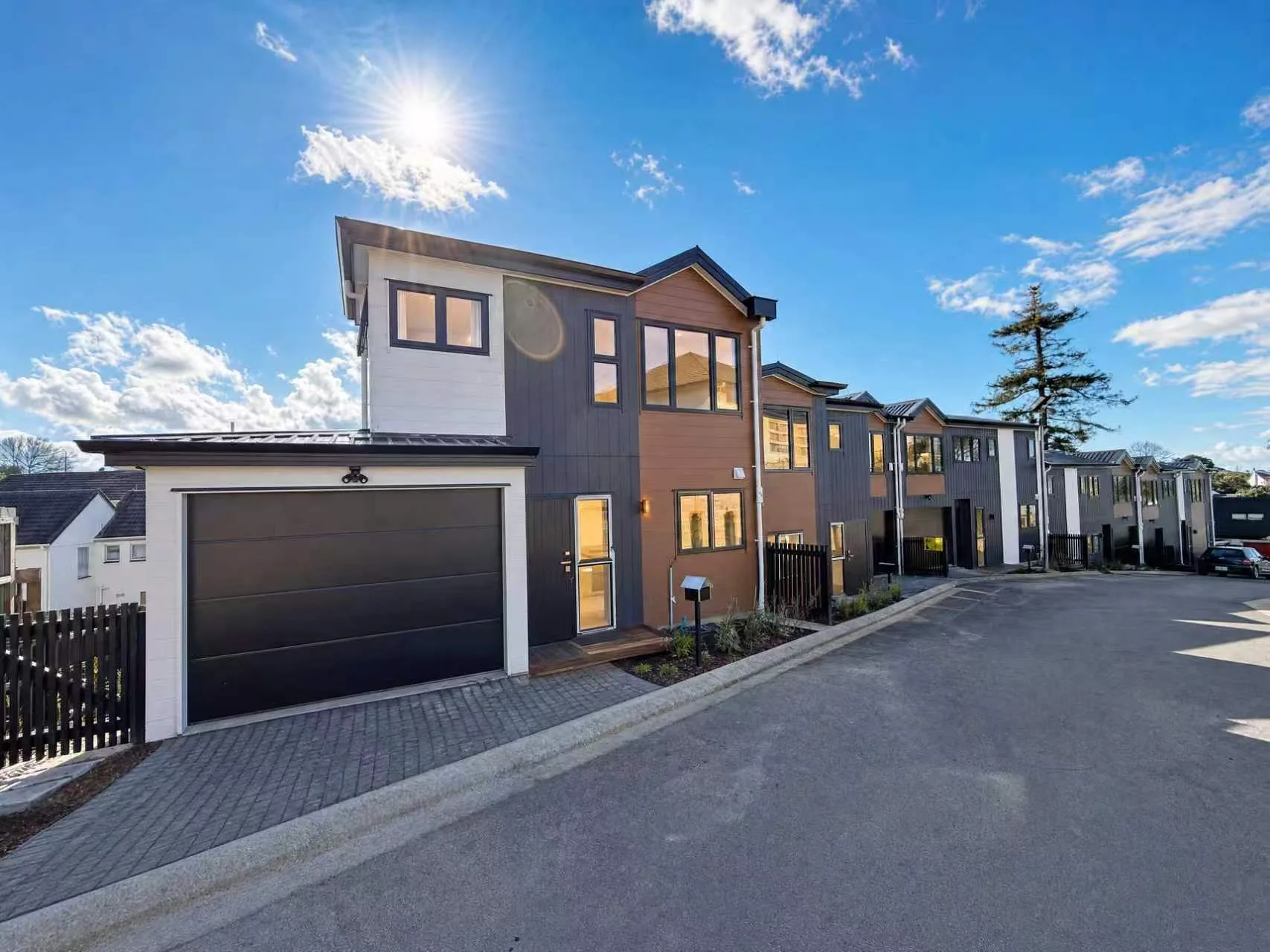
Howick — site photography supplied by the developer.
The Howick Local Board area — the official Auckland Council area covering Howick and the surrounding East Auckland suburbs of Pakuranga, Botany, Flat Bush and the coastal communities from Bucklands Beach to Half Moon Bay — is now home to an estimated 173,200 people, according to Stats NZ’s June 2025 population estimate. That’s up from 153,570 people recorded at the 2023 Census, itself an 8.9% increase on the 2018 Census count of 140,970. In under seven years, the area has added more than 32,000 residents.
For anyone researching whether Howick has a genuine growth story, or just a good reputation, the short answer is: the numbers back it up. Here’s what the data actually shows, and what it means if you’re weighing up buying in the area.
How many people live in the Howick area now?
Stats NZ’s most recent subnational population estimate, dated June 2025, puts the population of the Howick Local Board area at 173,200 across roughly 69.7km² — a density of about 2,485 people per km², among the more densely populated local board areas in Auckland.
That single number covers a wide area, not just the Howick town centre itself, which is worth unpacking before you compare it to any other suburb’s figures.
What area does “Howick” actually cover?
When population figures refer to “Howick,” they almost always mean the Howick Local Board area (identical in boundary to the Howick ward), rather than the town centre suburb alone. This area spans much of East Auckland and includes:
- Howick and Pakuranga — the area’s two largest, most established communities.
- Botany and Flat Bush — newer suburbs that have added substantial housing stock over the past two decades.
- East Tāmaki — Auckland’s established light-industrial and business district.
- The beachside suburbs — Bucklands Beach, Cockle Bay, Eastern Beach, Half Moon Bay, Mellons Bay and Shelly Park, among others.
If a listing or article quotes a “Howick population” figure, it’s almost always this combined area — worth knowing so you’re comparing apples with apples against other Auckland suburbs and local board areas.
How fast has the population actually been growing?
The recent trend, taken from Stats NZ and the Census:
- 2018 Census: 140,970
- 2023 Census: 153,570 — up 12,600 people, or 8.9%, over five years
- June 2025 (Stats NZ estimate): 173,200 — up around 19,600 on the 2023 Census figure, in roughly two and a quarter years
Worth a note on methodology: census counts and Stats NZ’s subnational population estimates aren’t calculated the same way. The census is a physical head-count on census night; the subnational estimate factors in net migration, births and deaths between censuses, and tends to run higher. So the jump between 2023 and 2025 isn’t a perfectly like-for-like comparison with the 2018–2023 census growth. What both figures agree on, independently, is the direction — this is one of the faster-growing parts of Auckland, not a suburb coasting on reputation alone.
What’s driving the growth?
Two things are happening at once in the same local board area. The established suburbs — Howick and Pakuranga — continue to draw families upgrading or relocating for schools, beaches and lifestyle, on larger, older sections that don’t turn over quickly. At the same time, the newer master-planned suburbs of Botany and Flat Bush have added meaningful new housing supply over the past two decades, extending the population outward from the historic town centre rather than concentrating it in one spot.
That combination — steady demand for established suburbs plus genuinely new supply nearby — is a more durable growth pattern than a single large development landing in one place. It’s also why the area’s population has climbed consistently across three different measurement points (2018, 2023, 2025) rather than in one isolated spike.
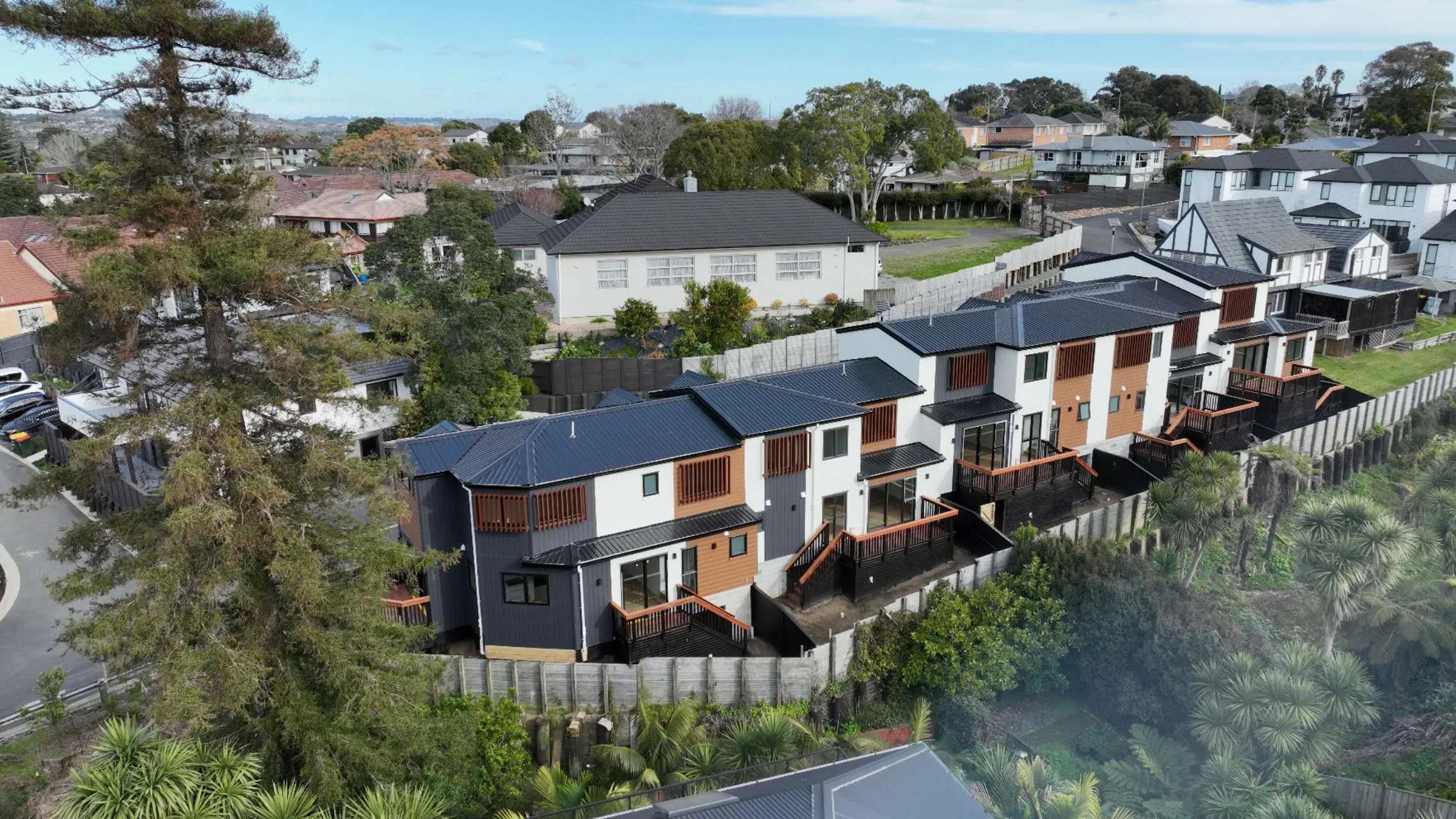
Howick — site photography supplied by the developer.
What is being invested in East Auckland’s infrastructure?
Auckland Transport’s Eastern Busway (known by its project name, AMETI) is the clearest sign that this growth is being planned for, not just observed after the fact. The first stage, between Panmure and Pakuranga, opened in December 2021 and has already lifted public transport patronage on that corridor by 275% over three years, cutting the trip from Botany to Waitematā Station by up to 17 minutes.
The next stage — extending the busway from Pakuranga through to Botany Town Centre — has been under construction since 2023 and is due for completion in 2027. Once finished, the full corridor will add 5km of dedicated busway, 12km of new walking and cycling paths, and five new stations. In February 2026, Auckland Transport confirmed a further $101 million in funding to build the final section through Guys Reserve, with construction on that stretch starting the following month.
To be clear: this isn’t Howick-specific spending in isolation — it’s an East Auckland-wide transport project. But it runs directly through the suburbs that make up the Howick Local Board area, and it’s a funded, under-construction commitment, not a proposal sitting on a wishlist.
What does population growth actually mean for the property market?
Population growth on its own doesn’t guarantee property prices will rise in any given year — that depends on interest rates, lending conditions and the wider Auckland housing supply, none of which move in lockstep with any one suburb’s numbers. But it is one of the more reliable long-term demand indicators available to a buyer, precisely because it’s measured independently of the property market itself.
An area adding tens of thousands of residents needs somewhere for them to live — existing homes to buy and rent, and new stock to be built to keep pace. That underlying demand doesn’t switch off when the wider market cools; it’s a structural fact about the area rather than a market sentiment. For anyone weighing up a first home, an upgrade or an investment property, it’s a genuinely useful data point to check before you decide whether a suburb’s growth story is real or just marketing.
What should buyers weigh up in a growing area like this?
A few practical checks are worth doing before you commit to a specific address in the Howick Local Board area:
- Confirm the school zone, not the suburb. Zones don’t follow suburb boundaries, and two houses a street apart can sit in different zones. Check any specific address against the Ministry of Education’s official school zone map before you rely on a listing’s claim about zoning.
- Understand which part of the area you’re actually buying into. Howick’s town centre character, Pakuranga’s arterial layout, Botany’s newer master-planned streets and the beachside suburbs from Bucklands Beach to Half Moon Bay are genuinely different living environments — even though they all sit inside the same 173,200-person local board area.
- Factor in the busway timeline, not just its existence. The Pakuranga-to-Botany stage isn’t due to open until 2027, which matters if you’re comparing today’s commute against what’s coming in a few years.
- Look at what’s actually being built, not just what’s been announced. Consented and under-construction developments are the closest thing to a hard supply number in a growing area — announcements and proposals aren’t.
Further reading
Where Howick’s current development sits in this story
Park Homes’ Howick release sits inside this growth story rather than apart from it. Five homes at 3 Libby Lane, Howick — three and four bedroom, 125.5–150m² — are now selling, with completion targeted for the end of 2026. It’s a small, boutique release rather than a large subdivision, situated in the established part of the local board area rather than one of the newer greenfield suburbs.
If the growth numbers are what brought you here, the next reasonable question is what’s actually available to buy today in the area they describe.